
Het begon met een Schuko-stopcontact. De 15-jarige reis van WEMAG, een Duitse energieleverancier en exploitant van laadpunten, op het gebied van e-mobiliteit
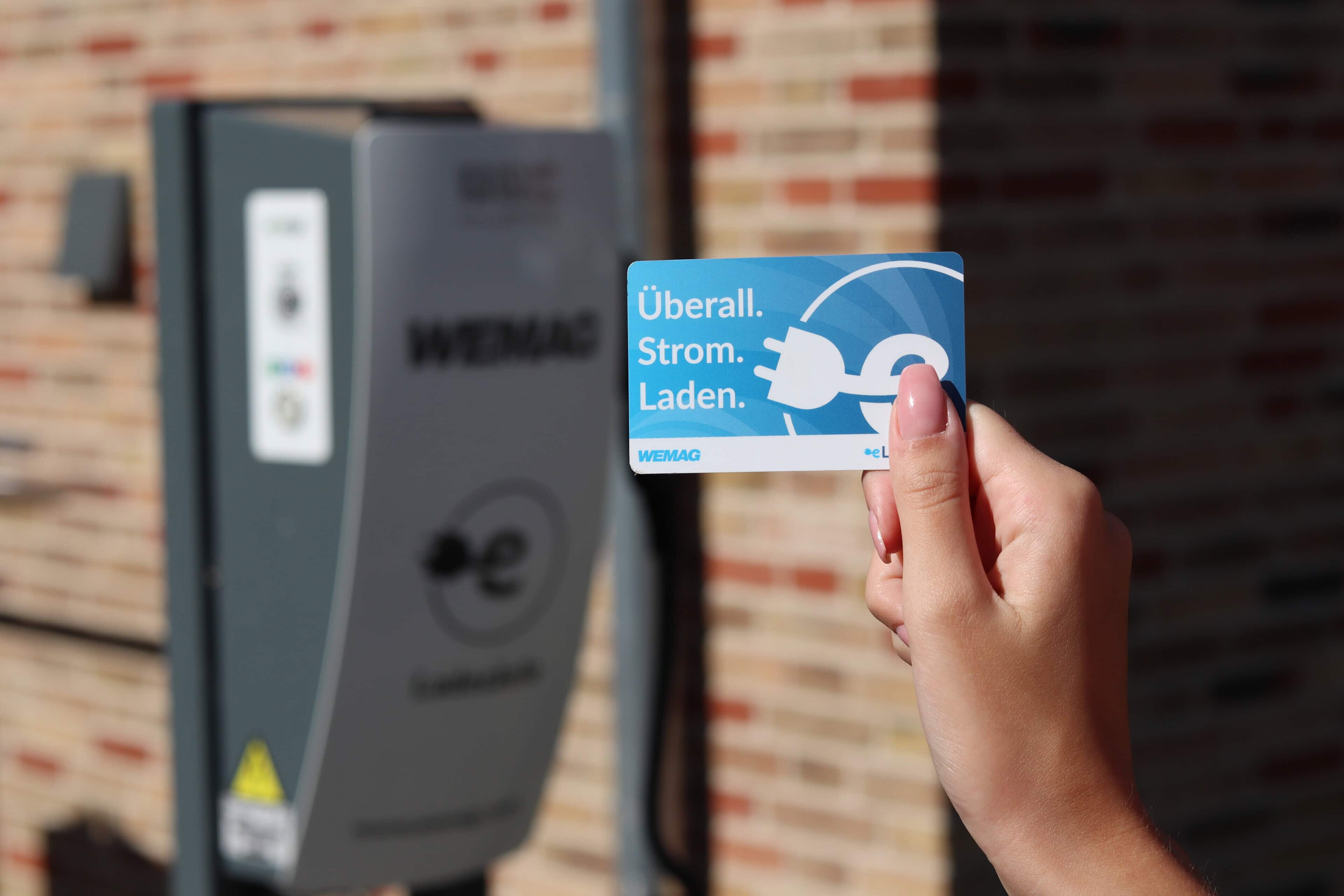

In Noord-Duitsland kennen de meeste mensen WEMAG als het bedrijf dat ervoor zorgt dat de lichten blijven branden. Als Stadtwerke (regionale energieleverancier in het Duits) beheert WEMAG een eigen elektriciteitsnet, voorziet het meer dan 200.000 klanten in heel Duitsland van elektriciteit en gas, en exploiteert het een eigen glasvezelnetwerk.
Maar sinds 2010 bouwt WEMAG aan iets anders.
Nog voordat e-mobiliteit een belangrijke prioriteit werd voor Europese nutsbedrijven, was WEMAG al bezig met de elektrificatie van zijn eigen wagenpark en nam het bedrijf op maat gemaakte laadkasten in gebruik op basis van standaard Schuko-stopcontacten – aangezien er toen nog geen gestandaardiseerde stekkers bestonden.
Die vroege inzet groeide uit tot een volledig commercieel aanbod: het exploiteren van als full-service exploitant van oplaadpunten (CPO) voor zowel particuliere als zakelijke klanten, naast een eigen openbaar laadnetwerk.
Momenteel beheert WEMAG meer dan 1.000 oplaadpunten en bedient het bedrijf meer dan 4.000 terugkerende gebruikers van oplaadkaarten – allemaal via het platform Last Mile Solutions . Daarnaast ondersteunt het bedrijf andere gemeentelijke nutsbedrijven als sub-CPO’s, waarbij het vijf jaar aan moeizaam opgedane operationele ervaring doorgeeft.
“Door samen te werken met Last Mile Solutions konden we technologie, facturering en bedrijfsmodellen samenbrengen in één krachtig platform. Hierdoor is e-mobiliteit getransformeerd van een op zichzelf staande activiteit naar een schaalbaar, duurzaam kernonderdeel van ons portfolio van energiediensten.”
– Benjamin Hintz, hoofd Technische Verkoop & Oplossingen, WEMAG
Het begin
Een dienst die al op de markt werd geïntroduceerd voordat de markt er klaar voor was
De eerste stappen van WEMAG op het gebied van e-mobiliteit begonnen intern, met de geleidelijke elektrificatie van het eigen wagenpark rond 2010 – een tijd waarin de sector nog geen overeenstemming had bereikt over een standaard laadconnector.
In plaats van af te wachten, ontwikkelde WEMAG een eigen oplossing. Er werden op maat gemaakte oplaadpunten op basis van Schuko-stopcontacten in gebruik genomen om die eerste elektrische voertuigen te ondersteunen, waarmee de basis werd gelegd voor wat later een veel uitgebreidere capaciteit zou worden.
De activiteiten van de Stadtwerke ontwikkelden zich mee met de markt. De belangstelling van klanten begon toe te nemen, en daarmee ook de vraag naar professioneel geplande en beheerde oplaadprojecten. WEMAG speelde hierop in door oplaadinfrastructuurprojecten voor externe klanten op zich te nemen en een eigen openbaar oplaadnetwerk uit te bouwen.
Sinds 2017 is de professionalisering van deze activiteit in een stroomversnelling gekomen:
Voor een Stadtwerke dat al op grote schaal actief was op het gebied van energie, netwerken en telecommunicatie, was e-mobiliteit geen afleiding. Het was een logische uitbreiding – een die naadloos aansloot bij hun identiteit als duurzaamheidsgerichte energieleverancier.
Het probleem
Twee backends, één probleem: geen end-to-end-beheer van laadpunten
De complexiteit van de laadactiviteiten van WEMAG nam snel toe. Toen men serieus begon met het evalueren van backend-platforms, draaiden er al twee verschillende systemen tegelijkertijd, omdat hardwarefabrikanten gebonden waren aan specifieke backend-aanbieders.
Het voordeel was dat er een ongewoon duidelijk beeld ontstond van wat er ontbrak. Doordat WEMAG beide systemen parallel had gebruikt, had het bedrijf uit eerste hand ervaring opgedaan met de respectieve sterke punten en beperkingen ervan. Ze wisten precies wat een toekomstbestendig platform moest bieden.
Het kernprobleem was bij beide systemen hetzelfde: geen van beide systemen kon de technische en commerciële aspecten van de bedrijfsvoering binnen één enkele, end-to-end-workflow verwerken.
“In de backend-oplossingen die we voorheen gebruikten, konden we ofwel de technische kant ofwel de commerciële kant afdekken – maar nooit beide op een consistente manier binnen één workflow”, zegt Martin Köchele, projectmanager e-mobiliteit bij WEMAG. “Dit leidde onvermijdelijk tot koppelpunten, handmatige processen en onderbrekingen in end-to-end-workflows.”
De dagelijkse bedrijfsvoering had hieronder te lijden. De openbare laadinfrastructuur werd handmatig gefactureerd, op kwartaalbasis. Betalingen moesten worden nagestreefd. Facturen werden met de hand opgesteld. Het aanmanings- en debiteurenbeheer was een taak van het team. Achter dit alles gingen talloze spreadsheets, CDR-gegevensbestanden en urenlang afstemmen schuil.
Tot op zekere hoogte werkte deze handmatige aanpak. Tegelijkertijd legde deze aanpak echter een strikte beperking op aan welke bedrijfsmodellen commercieel haalbaar waren. Een aanbod van betaalkaarten vereist bijvoorbeeld dat klanten elke sessie in realtime kunnen volgen, met transparante prijzen en automatische facturering. Dat serviceniveau kan simpelweg niet op grote schaal handmatig worden geleverd.
Er moest iets veranderen.

De oplossing
“Bijna alles is mogelijk”: het juiste beheersysteem voor laadpunten vinden
WEMAG kwam voor het eerst in aanraking met Last Mile Solutions via Ecotap, een Nederlandse fabrikant van laadpalen die al deel uitmaakte van hun hardwareportfolio.
“Het werd al heel snel duidelijk welk potentieel Last Mile Solutions te bieden had – al binnen een paar dagen nadat we het systeem in een testomgeving in gebruik hadden genomen”, zegt Köchele. “Hoewel het platform op het eerste gezicht complex kan lijken, komt dat vooral doordat het een zeer breed scala aan toepassings cases ondersteunt. Al snel werd duidelijk dat bijna alles mogelijk is binnen het systeem.”
Twee zaken vielen meteen op. Ten eerste de hardware: veel van de fabrikanten die al in de portefeuille van WEMAG zaten, werdenondersteund door Last Mile Solutions, wat betekende dat ze hun bestaande infrastructuur zonder onderbreking konden blijven gebruiken. Er was geen sprake van een volledige vervanging.
Ten tweede: WEMAG was voor het eerst op zoek naar een platform voor het beheer van laadpunten (CPMS) dat zowel de technische exploitatie van de laadinfrastructuur als de volledige financiële stromen kon afhandelen – binnen één enkel systeem. Geen interfaces, handmatige overdrachten of onderbroken workflows.
Naast de operationele basis heeftLast Mile Solutions nieuwe commerciële mogelijkheden die voor WEMAG economisch niet haalbaar werden geacht. Brede OCPI-connectiviteit en roaming-integraties, flexibele prijsmodellen en ondersteuning voor meerdere bedrijfsmodellen onder één dak zorgden ervoor dat WEMAG meer kon doen dan alleen als CPO opereren. Ze konden een eMSP – een mobility service provider – die eindklanteneen ervaring onder hun eigen merknaambiedt, met realtime inzicht in sessies en transparante facturering.
“Onze klanten merken het verschil meteen: transparante facturering, flexibele tarieven en een systeem dat meegroeit met hun behoeften. Dit is precies wat bedrijven tegenwoordig van moderne laadinfrastructuur verwachten.”
— Martin Köchele, projectmanager e-mobiliteit, WEMAG
Een partnerschap gebaseerd op structuur, vertrouwen en continuïteit
WEMAG werkt nu al zo’n vijf jaar samen met Last Mile Solutions – lang genoeg om de voortdurende ontwikkeling van het platform in de loop der tijd te hebben meegemaakt.
Vanaf het allereerste begin was het proces duidelijk gestructureerd. Dankzij transparante prijsstelling, duidelijk omschreven verantwoordelijkheden en een uitgebreide kennisbank konden veel vragen zelfstandig worden onderzocht en opgelost. Er bestond geen onduidelijkheid over wat er inbegrepen was, wat er verwacht werd of wat de volgende stap was.
Wat echter vanaf het begin opviel, was iets wat minder gebruikelijk is in relaties op het gebied van bedrijfssoftware: een vaste contactpersoon die gedurende het hele traject dezelfde bleef. „Dit was een groot voordeel – we konden zo vertrouwen opbouwen”, aldus Hintz.
Die continuïteit is blijvend gebleken. Ondanks de groei van Last Mile Solutionsgedurende de vijfjarige samenwerking is de samenwerking persoonlijk gebleven: toegewijde contactpersonen, regelmatige uitwisselingsmomenten en een directe feedbackloop, waardoor verbeteringen aan het platform zich vertalen in concrete operationele voordelen voor het dagelijkse werk van WEMAG.
Voor een Stadtwerke dat op zoek was naar een technologische partner voor de lange termijn, was die stabiliteit van essentieel belang.
De resultaten
Het automatiseren van CPO-activiteiten en het lanceren van nieuwe producten
De meest directe impact van de overstap naar Last Mile Solutions was merkbaar bij werkzaamheden die voorheenveel tijd en moeite kostten.
De openbare laadinfrastructuur, waarvoor voorheen elk kwartaal handmatig facturen werden opgesteld, werd nu automatisch afgehandeld. Het innen van betalingen, het opstellen van facturen, aanmaningen en debiteurenbeheer – processen die tot dan toe bij elke stap handmatige aandacht vereisten – werden gestroomlijnd tot één geautomatiseerde workflow. De dagelijkse werklast nam merkbaar af, en daarmee ook het risico op handmatige fouten.
Maar de ingrijpende verandering was wat automatisering mogelijk maakte naast efficiëntiewinst.
Nu de operationele last was weggenomen, kon WEMAG producten ontwikkelen en op de markt brengen die handmatig nooit commercieel haalbaar zouden zijn geweest. Hun aanbod van oplaadkaarten is hiervan het duidelijkste voorbeeld. Klanten zien nu elke oplaadsessie onmiddellijk terug in een app, waarbij voor verschillende oplaadpunten de juiste tarieven worden gehanteerd en de facturering transparant is.
Een ander toepassingsvoorbeeld w Last Mile Solutions e mogelijk maakte, wasde vergoeding van thuislaadkosten voor bestuurders van bedrijfswagens. Deze functie sluit naadloos aan bij hun bredere visie op e-mobiliteit als onderdeel van een geïntegreerd energieaanbod – naast fotovoltaïsche systemen, batterijopslag en warmtepompen – waarmee klanten worden bediend in de context van thuis, op het werk en bij openbare laadpunten.
Infobox: Hoe de vergoeding voor thuisladen werkt
Een slimme wallbox wordt gekoppeld aan het back-endsysteem met een vastgesteld stroomtarief. De energiekosten die aan de werknemer moeten worden vergoed, worden elke maand automatisch berekend en bijgeschreven, rechtstreeks aan de werkgever gefactureerd en volledig gedocumenteerd. Het platform zorgt zelfs voor het onderscheid tussen het opladen van privé- en bedrijfsvoertuigen – zonder dat er handmatige invoer nodig is.Lees meer >
De weg naar meer dan 1.000 oplaadpunten: CPO, eMSP en mentor voor andere Stadtwerke
De cijfers geven een deel van het beeld weer. Toen WEMAG begon samen te werken met Last Mile Solutions, hadden ze minder dan 50 oplaadpunten in het systeem en geen noemenswaardige oplaadkaart of dienstverlening aan eindklanten. Tegenwoordig beheren ze via het platform ruim 1.000 oplaadpunten en bedienen ze meer dan 1.000 vaste gebruikers van oplaadkaarten.
De operationele capaciteiten van WEMAG werden een concurrentievoordeel op de installatiemarkt zelf. Dankzij de sterke achtergrond en systeemkennis konden projecten worden binnengehaald die anders wellicht naar een andere partij zouden zijn gegaan – en wanneer de eerdere exploitanten van klanten niet aan hun eisen konden voldoen, was WEMAG in staat om in te springen.
De bestaande laadinfrastructuur werd overgenomen, wat leidde tot nieuwe exploitatiecontracten en uitbreidingsprojecten.
"We kunnen heel duidelijk stellen dat we zonder onze kracht op het gebied van operationeel beheer en onze backend-capaciteiten niet veel installatieprojecten zouden hebben binnengehaald", zegt Hintz.
Het kostte tijd om duurzame winstgevendheid te bereiken. WEMAG betrad de markt al in een vroeg stadium en moest zich een weg banen in een sector die nog bezig was met het uitwerken van basisprincipes zoals locatiekeuze, gebruikspatronen en haalbare bedrijfsmodellen. Financieringsprogramma’s hielpen de initiële investering te verlichten, maar het duurde ongeveer vijf jaar voordat de CPO-activiteiten duurzaam winstgevend werden. Het geduld heeft zijn vruchten afgeworpen.
Tegenwoordig is WEMAG een gevestigde exploitant van laadpunten die sub-CPO’s beheert binnen het platform Last Mile Solutions en andere gemeentelijke nutsbedrijven actief ondersteunt met haar eigen praktijkervaring. Haar rol is veranderd: van een pionier die de markt leerde kennen, naar een gevestigde CPO die anderen helpt hetzelfde te doen.
Hintz merkt op dat het onderscheidende vermogen van een e-mobility service provider niet langer louter ligt in het aanbieden van oplaaddiensten – dat doen immers veel aanbieders. Succes hangt af van systeemkennis, gebruikerservaring en het vermogen om de volledige levenscyclus van een project te beheren.

Wat WEMAG zou zeggen tegen andere Stadtwerke die e-mobiliteit overwegen
Voor gemeentelijke nutsbedrijven die overwegen om zelf de stap naar e-mobiliteit te zetten, is het advies van WEMAG duidelijk.
“Mijn aanbeveling is duidelijk gericht op Last Mile Solutions ”, zegt Hintz. “Of het nu gaat om een instapoplossing of om een eigen sub-CPO-opstelling vanaf ongeveer 50 tot 100 laadpunten: Last Mile Solutions maakt groei, individualisering en duurzame waardecreatie mogelijk zonder dat er van systeem hoeft te worden gewisseld.”
Een van de duidelijkste lessen uit het traject van WEMAG is dat het kostbaar is om te werken met platforms die niet mee kunnen groeien met het bedrijf. De mogelijkheid om klein te beginnen en uit te breiden zonder van systeem te hoeven wisselen, is een strategische vereiste voor een Stadtwerke-organisatie die op de lange termijn wil bouwen.
E-mobiliteit is volgens WEMAG geen op zichzelf staande dienst. Het is een onderdeel van een bredere, geïntegreerde energietransitie – en maakt samen met fotovoltaïsche installaties, batterijopslag, warmtepompen en netbeheer deel uit van een totaalpakket. Het platform dat hieraan ten grondslag ligt, moet vanaf het begin worden ontworpen met het oog op die ambitie.
Met Last Mile Solutions vond WEMAG er een die aan die eis voldeed.


